

Judy's Story
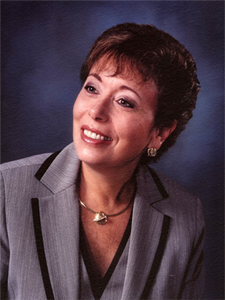
In 2007, Judy was 57 years old. Her only health complaint at the time of her annual physical exam was she was gaining weight, despite the fact that she exercised 5 times per week and maintained an intelligent diet. Her doctor’s response was, “that is what happens at our age.” In 2008, she again went to her doctor for an annual physical exam. Her only complaint remained as it had been the year before: weight gain despite healthy eating and exercising 5-6 times per week. Her doctor’s answer remained the same.
In June, 2009, at her annual physical exam, in addition to continued weight gain, she also complained to her doctor about fatigue and the fact that her bra size had increased from a 34C in 2007, to a 38DD. Judy was aware of the symptoms of ovarian cancer and believed she could be at risk due to the fact she was: (a) of Ashkenazi Jewish decent, (b) never able to get pregnant, and (c) the daughter of a breast cancer survivor. Feeling that something was definitely “amiss," she requested a CA-125 blood test be conducted to test for ovarian cancer. She considered it a reasonable request because of her existing risk factors. Nonetheless, she was told no, that she did not have risk factors other than both her parents were Ashkenazi Jews. By late September 2009, Judy had a noticeably diminished appetite, increased fatigue and slight bloating in her abdominal area.
On October 18, 2009, Judy’s bloating had increased, she could not fit into her clothes, and she felt abdominal discomfort and tenderness. She finally went to the emergency room where they found Judy had: (1) ascites, a buildup of fluid in her mid-section; and (2) a large left ovarian mass of 5.7cm x 4.0 cm x 5.0cm. The next day, Judy saw her regular doctor and he ordered additional tests, including an ultrasound of her pelvis. The ultrasound showed the left ovary was twice as large as the right. She was immediately referred to University of Texas M. D. Anderson Cancer Center for evaluation and treatment of ovarian cancer.
Despite aggressive chemotherapy treatments and multiple surgeries, Judy died on September 10, 2010.
Judy was convinced she had early warning signs as early as 2007, but that those signs were ignored by her physician. Had her complaints been better understood, her multiple risk factors better appreciated, and appropriate testing conducted, she believed her cancer might have been diagnosed in 2007 or 2008. While Judy acknowledged that much about ovarian cancer remains unknown, she knew that early detection could have made the difference between a diagnosis of early stage ovarian cancer versus her diagnosis of advanced late state disease.
Judy understood that her story applied to many women, with or without risk factors, whose ovarian cancer was diagnosed late in the disease progression. She wanted to make a difference. She believed something could (and should) be done. Judy was convinced that physicians’ and women’s awareness could be significantly increased and that scientific research could develop better criteria and tests to earlier detect ovarian cancer. That is, physicians can be alert to women’s complaints for early signs of ovarian cancer and women can advocate for their own health. The JLR Foundation was conceived by Judy to help make that happen.
